Акриловая пряжа для амигуруми: плюсы и минусы
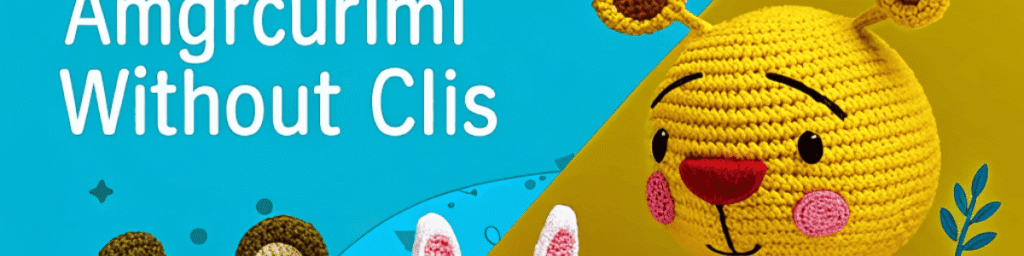
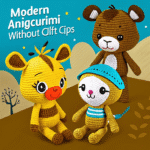
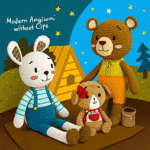
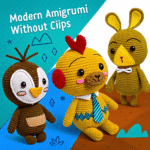
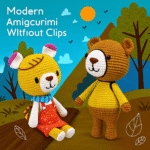
And again about amigurumi! What are we knitting from today?
Let’s pay attention to [acrylic]. It is probably one of the most popular and affordable options. Let’s figure out why this is so.
Pros of acrylic yarn for amigurumi
- [Availability and price]: This is perhaps the main trump card of acrylic. It is widely available in handicraft stores, has a huge selection of colors and shades, and at the same time remains one of the most budget-friendly options. This makes it an ideal choice for beginner knitters who want to master the amigurumi technique without spending money on expensive materials
- [Wide color palette]: Acrylic offers virtually unlimited possibilities in terms of color. You can find yarn in any shade, which allows you to create bright and varied amigurumi characters, bringing to life the boldest design ideas
- [Ease of care]: Acrylic yarn is easy to wash, dries quickly and does not require special care. Most acrylic items are machine washable on a delicate cycle and can be dried at room temperature. This is especially important for toys that often get dirty and need regular cleaning
- [Hypoallergenic]: Unlike some natural fibers, acrylic rarely causes allergic reactions. This makes it a safe choice for children’s toys that may come into contact with sensitive skin
- [Durable and Wear-Resistant]: Acrylic is a fairly durable material that holds its shape well and is not prone to pilling (pilling) when properly cared for. This means that your amigurumi will look neat and will delight you for a long time
- [Holds its shape well]: Acrylic yarn has good elasticity, which helps the toys retain their shape and volume. This is important for creating clear contours and a neat look for amigurumi
- [Ease of work]: Acrylic yarn is usually smooth and slippery, which makes it easy to work with a crochet hook. The loops lie flat, and crocheting goes quickly and effortlessly
Cons of Acrylic Yarn for Amigurumi
- [Lack of Breathability]: Acrylic is a synthetic material that does not allow air to pass through well. This can make the toy less breathable and hotter to the touch, which may be uncomfortable for small children
- [Tendency to Static]: Acrylic tends to accumulate static electricity, which can lead to the yarn sticking to your hands and hook, and also to the finished toy attracting dust
- [Unpleasant Tactile Sensations]: For some people, acrylic may feel “plasticky” or “cold” to the touch, lacking the softness and naturalness that natural fibers such as cotton or wool provide
- [Not environmentally friendly]: Acrylic is a synthetic material made from petroleum. Its production and disposal can have a negative impact on the environment
- [Tendency to “stretch” when pulled too tightly]: If you knit too tightly or use a hook that is too large, acrylic yarn can lose its elasticity and begin to stretch, causing the toy to become misshapen
- [Doesn’t always dye well]: Although acrylic is available in a huge variety of colors, some cheaper acrylics may not have the best dye fastness. The colors may fade or even run when washed or exposed to sunlight for long periods of time
Conclusion
[Acrylic yarn] is a great choice for beginner amigurumi crocheters, as well as for those who want to create colorful and varied amigurumi toys without spending a lot of money. Its ease of care, hypoallergenicity, and affordability make it very appealing. However, if tactile feel, breathability, and eco-friendliness are important to you, you may want to consider other yarn options such as cotton, bamboo, or blended yarns. Ultimately, the choice of yarn depends on your personal preferences and goals for creating amigurumi.
Popular Products
-
 Товар99,00 ₴
 -
 Mug BHeart5,00 ₴
 -
 Phone Case Canvas9,95 ₴