
Амигуруми
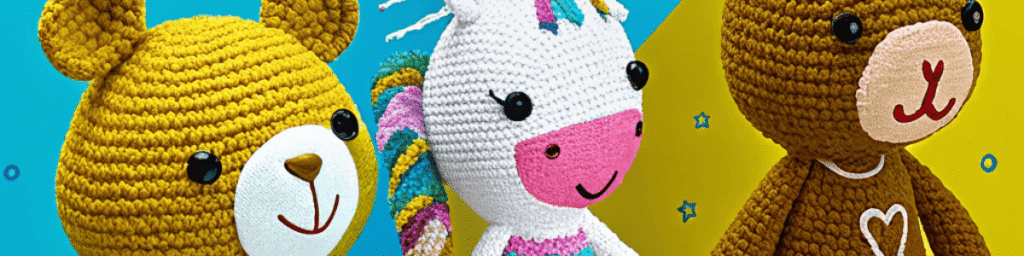
A few years ago, I developed a keen interest in [knitted toys]. I liked the photo of the yarn toy. I found the time and enjoyed getting to know a whole new world!
[Amigurumi] is the charming [art of crocheting] small, soft toys. These cute creatures, often depicting animals, people, or fantastical beings, are filled with the love and patience of their creators and have already won the hearts of people around the world.
But where did this amazing craft come from? Let’s take a fascinating journey through the [history of amigurumi], tracing its path from its [Japanese origins] to its status as a [global phenomenon].
Japanese origins: the birth of “[crocheted creatures]”
Although knitting and creating textile toys have a long history in many cultures, the term “amigurumi” and its modern incarnation are inextricably linked to Japan. The word ‘amigurumi’ (編みぐるみ) is formed from two Japanese words: “ami” (編み), meaning “to knit,” and “nuigurumi” (ぬいぐるみ), which translates as ‘plush’ or “stuffed toy.” Thus, [amigurumi] literally means “[knitted stuffed toy].”
It is difficult to determine the exact time when [amigurumi] appeared as an independent type of handicraft. Its roots go back to the Edo period, when [crocheting] and knitting began to penetrate [Japan] from Europe. However, the real heyday and formation of the recognizable style of [amigurumi] occurred much later, during the Showa period.
Interesting fact: one of the earliest and most classic [amigurumi] in [Japan] are considered to be [knitted cobras] — their craftswomen created them back in the 1950s using leftover yarn.
Reasons that spurred the fashion for [amigurumi] in [Japan]:
- Kawaii culture: Japan is famous for its love of kawaii — the culture of cute, charming, and childlike things. Amigurumi fits perfectly into this aesthetic, offering endless possibilities for creating touching and defenseless characters.
- [The popularity of knitting]: In the mid-20th century, knitting became a popular hobby among Japanese housewives, providing a broad base for experimentation with different techniques and creations.
- [The influence of manga and anime]: The vivid and memorable characters from Japanese comics ([manga]) and animation ([anime]) became an inexhaustible source of inspiration for many [amigurumi] artists. Creating knitted versions of their favorite characters allowed fans to engage with their hobby in a new, tactile way.
- [Development of specialized publications]: The emergence of knitting magazines and books dedicated to [amigurumi] has contributed to the spread of techniques, patterns, and ideas, making this art accessible to a wide audience.
- [The DIY movement]: In Japan, handicrafts and the ability to create things with your own hands have always been valued. Amigurumi became a wonderful way to express one’s individuality and give unique, heartfelt gifts.
From Japan to the world: global spread
[Accessibility of materials]: Yarn and knitting tools have become more accessible in different countries, allowing more people to try their hand at [amigurumi].
[Versatility and appeal]: Cute and charming [amigurumi toys] appeal to people of all ages and cultures. They can be created in a wide variety of styles, from classic animals to modern characters, making them a versatile hobby and source of joy.
[Popularity of DIY culture]: The global trend toward do-it-yourself and handmade crafts has also played a significant role. People are looking for ways to express themselves and create unique items and gifts, and [amigurumi] perfectly meets these needs.
[Influence of pop culture]: The popularity of [Japanese culture], including [anime], [manga], and video games, outside of [Japan] has led to a surge of interest in related crafts, including [amigurumi]. Fans began creating knitted versions of their favorite characters, further fueling interest in this type of handicraft.
Amigurumi today: more than just a hobby
Today, [amigurumi] is not just a hobby, but a whole [cultural phenomenon]. Amigurumi masters create not only toys, but also true works of art, demonstrating incredible talent and creativity. Amigurumi are used as gifts, souvenirs, interior decorations, and even fashion accessories.
Moreover, amigurumi has become a means of self-expression, meditation, and even a therapeutic tool. The process of knitting is calming, helps you focus, and gives you a sense of satisfaction from creating something beautiful with your own hands.
[Amigurumi] continues to develop and evolve, taking on new forms and styles. Masters experiment with different materials, techniques, and designs, creating unique and one-of-a-kind works.
The history of amigurumi is the story of how a small Japanese craft conquered the world, becoming a symbol of creativity, love, and warmth. And it seems that this story is just beginning. Ahead of us lie many new and amazing knitted creatures, ready to win our hearts with their cuteness and charm.
Where to start if you want to try [amigurumi]?
- Check out our [master classes]
- Master the [basic crochet skills] – and start creating!
Popular Products
-
 Товар99,00 ₴
 -
 Mug BHeart5,00 ₴
 -
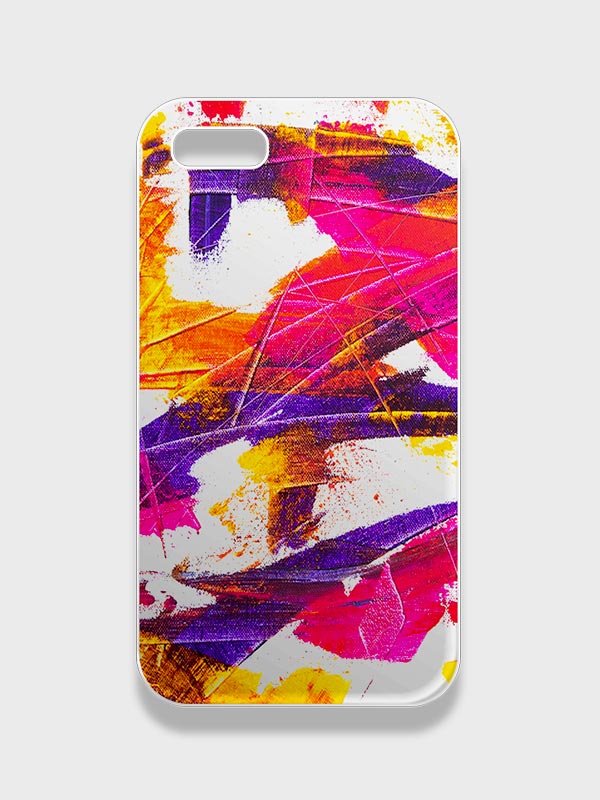 Phone Case Canvas9,95 ₴