Какие наполнители лучше использовать для мягких игрушек
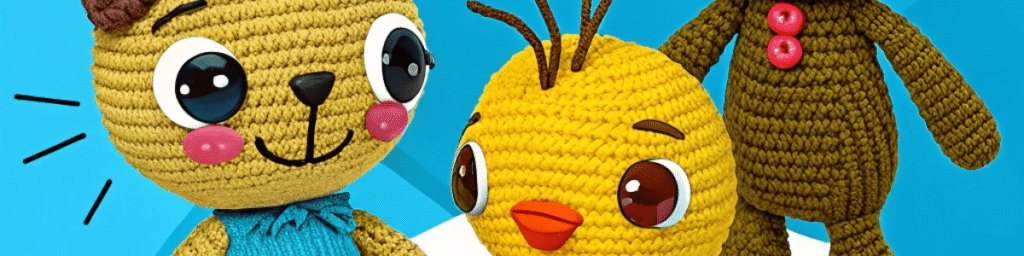
Soft toys are not just an interior item or a child’s toy. They are a symbol of coziness, warmth and carefree childhood. And the heart of any soft toy is its filler. It is on it that depends how pleasant to the touch the toy will be, how long it will retain its shape and whether it will be safe. Let’s think about fillers for creating fluffy happiness.
Criteria for choosing the ideal filler
Before diving into the world of synthetic and natural fibers, let’s determine by what criteria we will evaluate fillers:
- [Safety]: This is certainly the most important criterion, especially if the toy is intended for children. The filler should not cause allergies, be toxic or contain small parts that can be swallowed
- [Hypoallergenic]: For children and people with sensitive skin, it is important that the filler does not cause irritation and allergic reactions
- [Volume and elasticity]: A good filler should give the toy the desired volume and be elastic enough so that the toy does not “deflate” over time
- [Air permeability]: The filler should “breathe” so that the toy does not accumulate moisture and does not become a breeding ground for bacteria
- [Ease of care]: The ability to wash or clean the toy is an important factor in maintaining its hygiene
- [Durability]: The filler should retain its properties for a long time, without rolling or losing volume
- [Cost]: The price of the filler can vary, and this is also worth considering when choosing
Popular fillers for soft toys
Now let’s look at the most common options, their pros and cons.
Synthetic fillers
Synthetic fillers have gained immense popularity due to their availability, hypoallergenicity and ease of care.
[Hollofiber (or synthetic fluff)]:
Description: This is a modern material consisting of hollow, spiral-shaped polyester fibers. The fibers are bonded together thermally, which gives them elasticity and volume.
Pros:
- Hypoallergenic: Ideal for children and allergy sufferers
- Light and voluminous: Gives the toy fluffiness and softness
- Keeps shape well: Does not wrinkle or roll
- Breathable: Allows the toy to “breathe”
- Easy to wash: Machine washable, dries quickly
- Affordable price: Relatively inexpensive material
Cons:
- With very intensive use, it may lose some of its original volume over time
Ideal for: Almost any soft toys, from small keychains to large pillow toys
[Sintepon]:
Description: This is a non-woven material consisting of polyester fibers bonded thermally or mechanically.
Pros:
- Lightweight and voluminous: Gives the toy a soft feel
- Inexpensive: One of the most affordable fillers
Cons:
- Prone to wrinkling and rolling: May lose volume and become lumpy over time, especially after washing
- Less elastic than holofiber: The toy may be less “live” to the touch
- Can accumulate dust: Requires more careful care
Ideal for: Small, inexpensive toys that do not involve intensive use or frequent washing. Can also be used as stuffing for flat elements of the toy
[Siliconized fiber (or silicone fluff)]:
Description: This is the same holofiber, but with an additional silicone coating. This coating makes the fibers even smoother and more elastic.
Pros:
- Very soft and pleasant to the touch: Gives the toy a plush feel
- Excellent elasticity and shape retention: The toy retains its shape for a long time
- Hypoallergenic: Safe for children and allergy sufferers
- Retains volume well: Does not wrinkle or roll
- Easy to wash: Machine washable, dries quickly
Cons:
- As a rule, a little more expensive than regular holofiber
Ideal for: Toys where maximum softness and pleasant tactile sensations are important, such as baby pillow toys, toys for newborns
[Polyester balls (or granules)]:
Description: Small, lightweight polyester balls that hold their shape well and give the toy a pleasant heaviness and mobility.
Pros:
- They give the toy a pleasant heaviness and “liveliness”: The toy becomes more pliable and pleasant to hug
- Holds its shape well: Does not wrinkle
- Hypoallergenic: Safe for children
- Does not absorb moisture: Resistant to mold and mildew
Cons:
- They may make a rustling sound: Some people may not like this
- It is difficult to wash the toy as a whole: Usually, toys with balls require spot cleaning or washing in a special bag
- May be more expensive than other fillers
Ideal for: Toys that need to be given weight and movement, such as anti-stress toys, toys for newborns (as a weighting agent), or for stuffing paws and other parts of the toy to give them a more realistic shape
Natural fillers
Natural fillers have their own unique properties, but require more careful care and may not always be hypoallergenic.
[Wool]:
Description: Natural wool, both sheep’s wool and sheep’s wool, can be used for stuffing toys.
Pros:
- Eco-friendly and natural: Pleasant to the touch and breathable material
- Keeps shape well: Gives the toy elasticity
- Has healing properties: Wool can have a calming effect
Cons:
- May cause allergies: wool can be an allergen
- Requires careful care: Not all types of wool can be machine washed, can felt
- May have a specific smell: Especially untreated wool
- Expensive: High-quality wool is not cheap
Ideal for: Toys created using the felting technique (dry or wet), as well as for toys where naturalness and environmental friendliness are important
[Cotton (wadding)]:
Description: Natural cotton filler.
Pros:
- Natural and eco-friendly: Safe for the environment
- Keeps shape well: Gives the toy density
Cons:
- Prone to wrinkling and rolling: Quickly loses volume and becomes lumpy
- Dries poorly: May take a long time to dry after washing, which contributes to the development of mold
- May cause allergies: Untreated cotton may contain pollen and other allergens
- Heavy: The toy turns out to be heavier
Ideal for: Toys that do not involve frequent washing and intensive use, such as decorative toys or for stuffing small parts
[Synthetic fibers with natural additives]:
Description: Some manufacturers offer mixed fillers that combine the advantages of synthetics and natural fibers. For example, holofiber with the addition of bamboo fiber or cotton.
Pros:
- Combination of the best qualities: Such fillers can be hypoallergenic, voluminous and elastic, while having better air permeability and pleasant tactile sensations due to natural additives
- Environmental friendliness: Natural components make the filler more environmentally friendly
- Improved properties: Natural additives can give the filler antibacterial properties or improve its hygroscopicity
Cons:
- Price: May be more expensive than purely synthetic analogues
- Difficulty in care: Depends on the specific composition, but may require more careful care than pure synthetics
Ideal for: Those who are looking for a compromise between safety, comfort and environmental friendliness. An excellent choice for toys that will often come into contact with the baby’s skin
How to choose a filler for a specific toy
The choice of filler depends on the type of toy and its purpose:
- For children’s toys (especially for babies): Hollow fiber (synthetic fluff) or siliconized fiber: These are the best options due to their hypoallergenicity, safety and ease of care. They are lightweight, voluminous and hold their shape well
- For toys that need to be washed frequently: Hollow fiber, siliconized fiber, polyester balls: These fillers tolerate machine washing well and dry quickly
- For toys that require special softness and “plushness”: Siliconized fiber: Gives the toy incredible softness and pleasant tactile sensations
- For toys that need to be given weight and movement (for example, anti-stress toys): Polyester balls: Ideal for this purpose
- For decorative or vintage toys: Down and feathers, wool: If safety for children is not a priority, these natural fillers can give the toy a special charm and luxury. However, remember to take care of it carefully
- For felted toys: Wool: This is a natural choice for felted toys, as it is easy to shape and gives the product the desired density
Toy stuffing tips
- Don’t overstuff: A toy that is too tightly stuffed can become stiff and lose its softness. Stuff the toy evenly so that it is elastic but pleasant to the touch
- Use different fillers: For best results, you can combine fillers. For example, use holofiber for the main part of the toy and polyester balls for the paws or tummy
- Check the filler: Before use, make sure that the filler is clean, without foreign odors and impurities
Conclusion
Choosing a filler is an important step in choosing, which will determine not only the appearance, but also the durability, safety and tactile sensations of the toy.
[Key takeaways]:
- For children’s toys, choose hypoallergenic synthetic fillers (holofiber, siliconized fiber)
- Combine fillers for complex shapes: elastic holofiber for the base + granules to weigh down the paws, if you are not afraid to “bother” with sewing special bags for granules
- Always check the safety certificates of materials for children’s products
Remember: the ideal filler is the one that makes the toy safe, durable and truly loved. Let your creations bring joy for many years!
Popular Products
-
 Товар99,00 ₴
 -
 Mug BHeart5,00 ₴
 -
 Phone Case Canvas9,95 ₴