Обзор популярных техник вязания крючком для создания игрушек
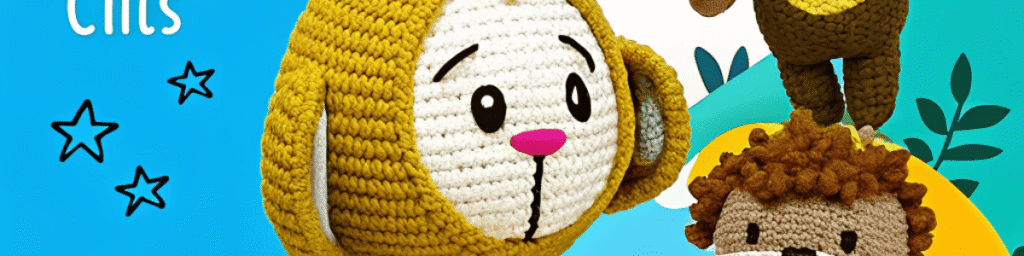
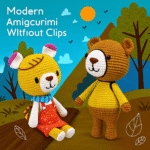
And again — crochet! Our favorite hobby and folk art! From simple amigurumi to complex characters, the world of crocheted toys is limitless. But to immerse yourself in this fascinating creativity, it is important to master the basic techniques. I invite you to dive in and — figure it out.
Key elements of amigurumi:
- Single crochet (sc): This is the basis of most amigurumi. Dense crocheting of sc creates a smooth and durable surface that holds its shape well.
- Increases and decreases: It is thanks to increases (knitting two columns in one loop) and decreases (knitting two columns together) that the toy acquires volume and the desired shape. Most often, increases and decreases are used behind the front wall of the loop to avoid the formation of holes.
- Spiral crochet: Most amigurumi parts are crocheted in a spiral, without connecting the rows. This allows you to create seamless parts and avoid visible seams. A marker is used to track the beginning of a row.
- Stuffing: Toys are stuffed with padding polyester, holofiber or other soft filler to give them volume and softness. It is important to stuff the toy evenly so that it does not deform.
- Detailing: Eyes, noses, mouths and other details are often embroidered with threads or ready-made safe eyes for toys are used.
Why are amigurumi so popular?
- Ease of learning: The basic loops and principles of knitting amigurumi are simple enough for beginners.
- Quick results: Small toys are knitted quite quickly, which brings satisfaction from the process.
- Limitless possibilities: You can knit almost anything, following the patterns or coming up with your own designs.
- The perfect gift: Knitted amigurumi are always a unique and heartfelt gift.
2. Knitting dense pieces: Creating framed toys
While amigurumi is often knitted tightly, there are also techniques that aim to create more rigid and detailed elements that can be used in framed toys or to create a specific shape.
- Double crochet (dc) and half double crochet (hdc): These stitches create a looser fabric that can be useful for creating three-dimensional elements such as wings, ears, or clothing elements.
- Raised stitches: Raised stitches (front and back) allow you to create texture and volume on the surface of the toy, imitating wool, feathers, or raised patterns. They add realism and expressiveness to the toy.
- Knitting in the Round with Slip Stitches: To create flat pieces such as circles or squares that can then be sewn onto the main toy, crocheting in the round with slip stitches to finish each row is often used. This creates a neat edge.
- Using Thicker Yarn and a Smaller Hook: To achieve a thicker, stiffer fabric that holds its shape well, it is recommended to use a heavier yarn weight (such as cotton or acrylic) and a smaller hook than the yarn label recommends.
When to Use These Techniques
- Creating Framed Toys: If you want to create a toy that will stand on its own or have moving parts, you will need thicker pieces that can be reinforced with a wire frame.
- Detailing and Texture: To add realism to a toy, such as animal fur, bird feathers, or fish scales, raised stitches and other textured stitches are essential.
- Clothing elements and accessories: Looser stitches, such as the double crochet, are great for knitting clothing, scarves, hats and other toy accessories.
3. Flat Knitting: Creating Appliques and Flat Figures
This technique focuses on creating flat elements that can be used as stand-alone embellishments, appliques for clothing or decor, or as parts of larger toys.
- Single crochet, double crochet, half double crochet: Depending on the desired density and texture, different types of stitches are used.
- Chain stitches (ch) and slip stitches (sl): These stitches are used to create chains that can serve as the basis for flat patterns, as well as for joining pieces.
- Knitting in rows: Unlike amigurumi, knitting in rows is often used here, with the fabric turned at the end of each row.
- Knitting in the Round with Slip Stitches: To create flat circles, squares, or other shapes that do not require turning, knitting in the round with slip stitches to complete each row is used.
- Embroidery and Applique: Flat pieces are often embellished with embroidery (e.g. to create faces, patterns) or sewn to other surfaces to create an applique effect.
Uses for Flat Patterns:
- Appliques: Flowers, hearts, stars, animals – all of these can be knitted using flat patterns and sewn onto clothes, bags, pillows or other knitted items.
- Decorative elements: Flat figures can serve as decoration for a child’s room, garlands or mobile elements.
- Parts of more complex toys: Flat parts can be used to create ears, wings, tails or clothing for voluminous toys.
4. Using different types of yarn and textures
The choice of yarn plays a huge role in creating toys. Different types of yarn give toys different textures, appearances and tactile sensations.
- Cotton: Ideal for amigurumi, as it holds its shape well, does not stretch and has a pleasant surface to the touch. Cotton is also hypoallergenic, which is important for children’s toys.
- Acrylic: More affordable and more varied in color, acrylic is also well suited for toys. It is soft, easy to care for and quite durable. However, some types of acrylic may not be as pleasant to the touch as cotton.
- Plush yarn (such as “grass” or yarn with pile): This yarn gives toys incredible softness and fluffiness, making them look like real plush animals. Knitting with such yarn requires special care, as the loops may not be clearly visible.
- Wool and blended yarn: Wool gives toys warmth and coziness, but can be more difficult to care for and cause allergies. Blended yarn (such as wool with acrylic) combines the best qualities of both materials.
- Yarn with lurex or mélange yarn: These types of yarn add shine and originality to toys, making them more festive or unusual.
Tips for choosing yarn:
- For amigurumi: Cotton or acrylic of medium thickness is preferable.
- For plush toys: Use special plush yarn.
- For toys that need to hold their shape: Choose thicker yarn and a smaller hook.
- For children’s toys: Give preference to hypoallergenic materials, such as cotton or high-quality acrylic.
5. Safety and decoration of toys
Creating a safe toy is a priority. Particular attention should be paid to details and decoration.
- Safe eyes for toys: These are special plastic eyes with a plug-type fastener that are securely fixed inside the toy. They prevent accidental tearing off and swallowing.
- Embroidery: Faces, patterns and other small details can be embroidered with floss or yarn. This is a safe and versatile way of decorating.
- Stuffing: Use high-quality filler (synthetic padding, holofiber), which does not clump and does not cause allergies. Stuff the toy tightly, but not too tightly, so that it remains soft.
- Seams: All parts of the toy should be securely sewn or tied together. Use strong threads and neat seams.
- No small parts that can fall off: Avoid using buttons, beads or other small elements that can be dangerous for small children.
Conclusion:
The world of crocheting for creating toys is a limitless field for creativity. Having mastered basic techniques such as amigurumi, knitting dense parts and flat patterns, as well as learning how to choose the right yarn and pay attention to safety, you will be able to create unique and favorite toys. Do not be afraid to experiment, look for new patterns and bring to life your boldest ideas. Knitting toys is not only an exciting hobby, but also a great way to give joy and warmth to loved ones!
Popular Products
-
 Товар99,00 ₴
 -
 Mug BHeart5,00 ₴
 -
 Phone Case Canvas9,95 ₴