Как сделать игрушку устойчивой и долговечной
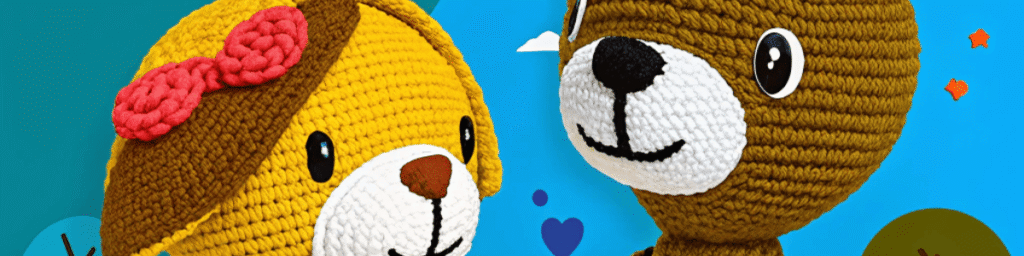
How to make your wonderful amigurumi not only pleasing to the eye, but also serving for a long time, preserving their shape and attractiveness? In this article, we will share secrets that will help you create durable and long-lasting amigurumi.
Choosing yarn and a hook: the foundation of strength
[Yarn]:
- [Natural fibers]: Cotton, wool, acrylic – they are all suitable for amigurumi. However, for greater durability, choose yarn with a dense weave and minimal pile.
- [Blended yarn]: A mixture of cotton and acrylic is an excellent option, combining softness and strength.
- [Thickness of yarn]: The thicker the yarn, the denser the knitting will be and the more stable the toy. However, too thick yarn can make the toy bulky. Find the golden mean.
- [Quality of yarn]: Don’t skimp on yarn! Cheap yarn can quickly lose its shape, fade, or break.
[Hook]:
- [Hook Size]: Choose a hook 1-2 sizes smaller than recommended for the yarn you’ve chosen. This will ensure a tighter knit, which is critical for the stability of the amigurumi.
- [Hook Material]: Metal hooks are smoother and more durable than plastic ones.
Knitting Technique: Density is Everything!
- [Dense Knitting]: The most important factor! Try to knit as tightly as possible so that there are no gaps between the loops. This will prevent the stuffing from coming out and the toy from being deformed.
- [Correct Yarn Grip]: Make sure you’re gripping the yarn correctly with the hook so that the loops are even and tight.
- [Regular Density Check]: Check the knitting density periodically as you knit. If you notice that the knitting has become looser, try decreasing the hook size or tightening the stitches more.
- [Using stitch markers]: Stitch markers will help you keep count and maintain the correct shape of the piece.
Filling: Secrets of the perfect shape
[Filling]:
- [Hollofiber]: The most popular and practical option. It is lightweight, hypoallergenic, holds its shape well and is easy to wash.
- [Synthetic fluff]: An alternative to holofiber, but may be less elastic.
- [Synthetic padding]: Not recommended for amigurumi, as it quickly clumps and loses its shape.
[Correct stuffing]:
- [Gradual stuffing]: Stuff the toy tightly enough so that it holds its shape (the loops should not stretch and be translucent), but do not overdo it, so as not to deform the knitting and not make the toy wooden to the touch.
- [Using tools]: Use a sushi stick, tweezers or a special stuffing tool to get to hard-to-reach places and evenly distribute the stuffing.
Assembly and Details: Finishing Touches for Strength
[Seams]:
- [Hidden Seam]: Use a hidden seam (such as a mattress stitch or a loop-in-loop stitch) to join the pieces. This will make the seams less noticeable and more durable.
- [Strong Thread]: Use a strong thread that matches the color of the yarn or is slightly darker to sew the pieces together.
- [Double Stitch]: For particularly stressed joints (such as attaching arms or legs), you can use a double stitch for extra security.
[Securing Pieces]:
- [Secure Attachment]: Make sure all pieces (eyes, nose, ears, paws) are securely sewn or tied. Use multiple stitches and strong thread.
- [Safety Eyes]: If you use safety eyes, make sure they are securely attached to the inside of the piece so that a child cannot unscrew them.
[Decorative Elements]:
- [Firm Attachment]: If you add buttons, ribbons, or other decorative elements, sew them firmly so that they do not come off during play.
Care and Storage: Prolonging the Life of Your Amigurumi
[Washing]:
- [Hand Wash]: The preferred washing method for amigurumi. Use cool water and mild detergent.
- [Machine Wash]: If you choose to machine wash, use a gentle cycle with cold water and place the toy in a special laundry bag.
- [Do Not Wring]: Do not twist the toy after washing to avoid deformation. Gently squeeze out excess water.
[Drying]:
- [Lay Flat Dry]: Lay the toy on a flat surface such as a towel and let it dry naturally.
- [Do not tumble dry]: The high temperature of the tumble dryer may damage the yarn and filling.
[Storage]:
- [Avoid Direct Sunlight]: Extended exposure to sunlight may cause the yarn to fade.
- [Store in a Dry Place]: Avoid damp areas to prevent mold.
- [Do not store under pressure]: Do not place heavy objects on your amigurumi to prevent it from losing its shape.
Bonus Tips for Maximum Durability
- [Use Double Yarn]: For extra sturdy pieces or to create a tighter knit, you can use double yarn.
- [Secure Ends of Yarn]: Secure ends of yarn carefully after each piece to prevent unraveling.
- [Inspect Your Toy Regularly]: Inspect your amigurumi periodically for wear or damage. Minor breakages can be easily fixed before they become a serious problem.
Important point: Following these simple but effective tips, you will be able to create amigurumi that will delight you and your loved ones for many years, maintaining their charming shape and durability. May your knitted friends be the strongest and most beloved!
Popular Products
-
 Товар99,00 ₴
 -
 Mug BHeart5,00 ₴
 -
 Phone Case Canvas9,95 ₴