Безопасные материалы для детских игрушек ручной работы
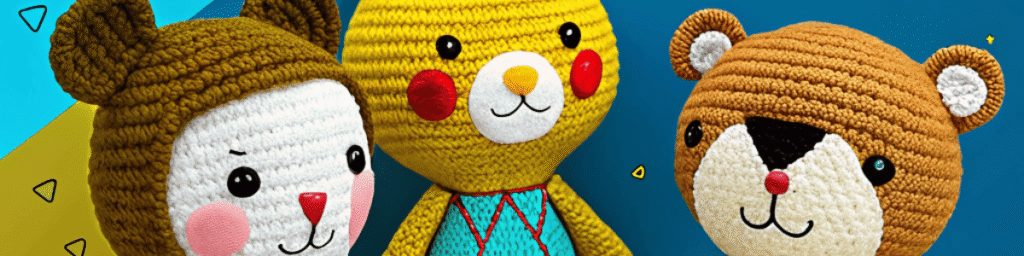
Making toys with your own hands is not only an exciting hobby, but also a great opportunity to give your child a unique gift made with love. However, when it comes to children’s toys, safety comes first. Choosing the right materials is the key to ensuring that the toy is not only beautiful and functional, but also completely safe for the baby’s health.
Safety Basics: What Makes a Material Safe?
First, let’s define the key safety criteria:
- [Non-toxicity]: Materials should not emit harmful substances that can enter the child’s body through contact with the skin, mucous membranes, or if accidentally swallowed
- [Hypoallergenic]: It is advisable to choose materials that are least likely to cause allergic reactions in sensitive children
- [Durability and wear resistance]: Toys should withstand active use, not disintegrate into small parts that the child can swallow
- [Absence of sharp edges and small parts]: All elements of the toy should be securely fastened and not pose a danger to the child
- [Ease of care]: Toys should be easy to clean and disinfect
The best materials for handmade children’s toys
Natural fabrics
- [Cotton]: This is perhaps the most popular and safest choice. Cotton is breathable, hypoallergenic, soft and pleasant to the touch. Ideal for sewing soft toys, dolls, rattles
What to look for: Choose 100% cotton, without synthetic additives. Give preference to fabrics dyed with natural or safe synthetic dyes (certified for children’s products) - [Linen]: Another great natural material. Linen is durable, hygroscopic and has antiseptic properties. It is great for thicker toys, pillows
What to look for: Linen can be a little hard for the little ones, so it is better to use it for toys intended for older children, or combine it with softer fabrics - [Felt (natural)]: Felt made of natural wool is an excellent material for creating voluminous toys, appliques, details. It does not crumble, is easy to cut and sew
What to look for: Make sure that the felt is truly natural (100% wool), and not synthetic. Synthetic felt may be less safe and may not hold its shape as well
Wood
- [Wood]: Natural wood is a classic among children’s toys. It is durable, environmentally friendly and develops tactile sensations. It is ideal for creating cubes, pyramids, rolling toys, puzzles
What to pay attention to: - Type of wood: Choose hardwoods such as beech, maple, birch, linden. They are more durable and less prone to splinters
- Processing: The wood should be smoothly sanded, without splinters and sharp corners
- Coating: Use only safe, non-toxic paints, varnishes and oils designed specifically for children’s toys. Make sure they meet safety standards (for example, EN 71-3)
- Certification: Pay attention to the presence of certificates confirming the safety of wood and the coatings used
Fillers
- [Hollofiber]: This is a synthetic, but hypoallergenic and safe filler. It is lightweight, holds its shape well, does not absorb moisture and is easy to wash
What to look for: Choose holofiber certified for children’s products - [Synthetic fluff]: Another popular synthetic filler. It is soft, airy and is well suited for stuffing soft toys
What to look for: As in the case of holofiber, choose certified synthetic fluff - [Sheep wool]: Natural and warm filler. However, it can cause allergies in some children
What to look for: Make sure that the wool is well cleaned and processed. Not recommended for use by children with wool allergies - [Buckwheat husk]: Natural filler that is used to create pillow toys. It has a massage effect and promotes relaxation
What to look for: The husk should be well cleaned and dried. Not recommended for use on children under 6 months
In Japan, dried beans or rice husks are often used to fill traditional toys – this is environmentally friendly and creates a pleasant tactile effect, but requires special protection from moisture
Threads
- [Cotton threads]: Ideal for sewing cotton toys
- [Wool threads]: Suitable for knitting and sewing wool toys
- [Floss]: Used for embroidering details and creating decorative elements
What to look for: Choose threads dyed with safe dyes
Other materials
- [Safe plastic (food grade)]: Some toy parts (such as rattles) may be made of safe food grade plastic
What to look for: Make sure the plastic does not contain BPA (bisphenol A) and other harmful substances - [Beads and buttons]: Use only large beads and buttons that the child cannot swallow. Sew them securely to the toy
- [Toy eyes]: There are special safety eyes for toys that are securely attached and do not come off
- [Bead eyes are the main risk for children under 3]. Always replace them with embroidery or use safety eyes with internal fastening
What to avoid
- Materials with a strong odor: This may indicate the presence of harmful chemicals
- Materials that are easily flammable: For example, low-quality synthetic fabrics
- Materials that shed: The paint may get into the child’s mouth
- Small parts that can easily come off: Beads, buttons, ribbons
- Glue containing solvents: Use only safe water-based glue
- Old or used materials: You cannot be sure of their safety
Tips for choosing and using materials
- Read the labels: Carefully study the composition of the materials and the presence of safety certificates
- Buy materials in trusted stores: Give preference to stores specializing in goods for children and handicrafts
- Conduct a safety test: Before using a new material, especially if you are not sure of its safety, conduct a small test. For example, wash the fabric to check if it is shedding
- Practice good hygiene: Wash or clean toys regularly to prevent bacteria from growing
- Consider the age of the child: Choose toys that are age-appropriate and developmentally appropriate
- Do not leave your child unattended with toys that contain small parts: This is especially true for children under 3
- Check toys regularly for damage: If you find that a toy is broken or damaged, remove it from your child immediately
- Use natural dyes, if possible: For example, natural dyes from plants (beetroot, onion peel, coffee) can be used to dye fabrics
- Knitted toys: When knitting toys, use soft yarn intended for children. Make sure that the loops are tightly knitted so that the filling does not come out
- Paper and cardboard toys: Use only non-toxic glue and paints. Make sure the edges of the paper and cardboard are smooth and not sharp
Conclusion
Making your own children’s toys is a great way to show your love and care for your child. By choosing safe materials and following simple rules, you can be sure that your toy will not only be beautiful and interesting, but also absolutely safe for the health and development of the baby. Remember that safety should always come first! Do not skimp on the quality of materials and carefully check them before use. Inspiration to you and safe creativity!
Popular Products
-
 Товар99,00 ₴
 -
 Mug BHeart5,00 ₴
 -
 Phone Case Canvas9,95 ₴